The browser you are using is not supported. Please consider using a modern browser.


Power Prices and Demand Surges: How Winter Storm Fern Impacted the Country

Key Takeaways
- Winter Storm Fern drove a perfect storm of record electricity demand, frozen natural gas supply, and wholesale price spikes that are now pushing household energy bills higher across the U.S.
- Families using electric heat are facing the steepest increases this winter, with average seasonal bills projected to exceed $1,000 in many regions.
- Even after the storm has passed, many utilities are recovering costs through surcharges and fuel adjustment charges that may continue impacting bills for months.
- Consumers can take action by exploring energy assistance programs, understanding shutoff protections, shopping for competitive electricity rates, and considering community solar to help lower future energy costs.
Table of Contents

Winter Storm Fern: A Widespread Storm With Even Wider Impact
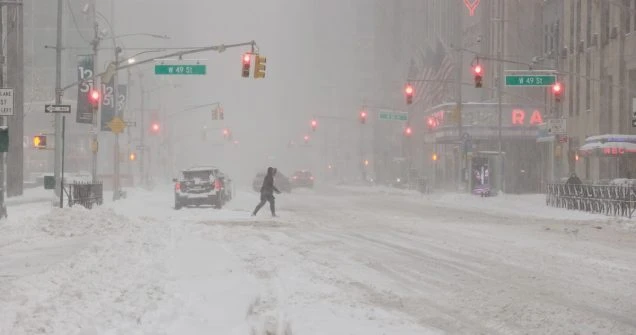
Winter Storm Fern didn’t just blanket large swaths of the U.S. in snow and ice—it sent shockwaves through the nation’s energy system.
As record-breaking cold swept across the country in late January 2026, electricity demand surged, natural gas supplies tightened, and wholesale power prices spiked to levels not seen in years. For millions of households, that combination is now showing up where it hurts most: their utility bills.
From $1,000 winter heating bills to rising utility debt and concerns about shutoffs this spring, Winter Storm Fern has become a case study in how extreme weather, energy infrastructure, and household finances collide.
Below, we break down what happened, why prices spiked, which regions were hardest hit, and what consumers can do now to protect their budgets going forward.
A Perfect Storm for the U.S. Energy System
Winter Storm Fern arrived during an already fragile moment for U.S. energy markets. Demand was climbing, fuel supplies were tight, and aging infrastructure was under stress. The result was a “perfect storm” driven by three overlapping forces:
- Record electricity demand during extreme cold
- Frozen natural gas production and supply shortages
- Sky-high wholesale electricity prices that utilities had to pay to keep the lights on
Those wholesale costs don’t hit households immediately; they often show up weeks or months later as higher bills, fuel adjustment charges, or utility surcharges.
Wholesale Electricity and Natural Gas Prices Surged
Natural Gas Prices Spiked First
Natural gas is the backbone of U.S. electricity generation and home heating. During Winter Storm Fern, it became one of the biggest pressure points.
In the week of the storm:
- Natural gas futures surged roughly 70%
- Production dropped by an estimated 20–25 billion cubic feet per day as wells froze
These “freeze-offs” are similar to what happened during Winter Storm Uri in 2021, when frozen equipment sharply limited supply just as demand skyrocketed.
When power plants have to pay dramatically more for fuel, those costs ripple through electricity markets.
Electricity Prices Followed Fast
As temperatures plunged, electricity demand soared, especially in regions with high electric-heat usage and energy-intensive infrastructure.
In parts of the PJM Interconnection grid, which serves 67 million people across the Mid-Atlantic and Midwest, real-time wholesale electricity prices surged into four-digit territory. In Virginia, where data centers consume massive amounts of power, prices reportedly spiked to above $1,800 per megawatt-hour, up from roughly $200 the day before.
When utilities are forced to buy power at those elevated prices to meet demand, customers often end up footing part of the bill later.

Simple Switch, Big Savings
Easier Than Flipping on a Light Switch
Compare rates from leading electricity providers in minutes and see how much you can save.
What This Means for Household Energy Bills
Winter Heating Costs are Climbing Nationwide
Utility analysts and consumer advocates have been warning all winter that bills would be higher, and Winter Storm Fern has intensified those concerns.
According to projections from the National Energy Assistance Directors Association (NEADA):
- Average winter heating costs are expected to rise by about 9.2%
- Households using electric heat could see costs climb roughly 12.2%
- The average winter bill for electric-heated homes is expected to exceed $1,000
For some families, that $1,000 figure isn’t a seasonal total—it’s a single billing cycle.
Reports from consumers across the country already show four-figure bills appearing in mailboxes, especially in colder regions and larger homes with electric heating.
If you’re concerned about managing high winter bills, ElectricityRates.com offers guides on financial well-being and energy costs that explain how utilities calculate charges and what options may be available to reduce them, as well as various federal and state assistance programs that could help with your utility bills.
Regional Impacts from Winter Storm Fern
While the storm affected most of the country, its financial impact isn’t evenly distributed.
Colorado: Surcharges on the Horizon
In Colorado, Xcel Energy has warned its 1.6 million customers that they will likely see surcharges lasting the rest of the year. Those charges are designed to help the utility recover the unusually high costs it paid for wholesale natural gas during the storm.
Even after temperatures normalize, those recovery costs don’t disappear.
New York and the Mid-Atlantic: Emergency Grid Measures
In New York and parts of the Mid-Atlantic, the Department of Energy issued emergency orders allowing some power plants to temporarily bypass environmental limits. The goal was to ensure enough electricity stayed online to prevent outages during peak demand.
While controversial, these emergency measures were intended to avoid even higher emergency power prices that could have driven bills up further.
The South: Fuel Adjustment Charges Ahead
Southern states like Louisiana and Tennessee—less accustomed to prolonged deep freezes—are now bracing for higher bills through fuel adjustment charges.
These charges allow utilities to pass higher fuel costs directly to customers over time. Many residents won’t see the full impact until spring or summer bills arrive.
Utility Debt is Becoming a Growing Concern
Even before Winter Storm Fern, energy affordability was already a challenge for millions of Americans.
- Roughly one in six U.S. households was behind on utility bills.
- Total utility arrears reached about $23 billion last year.
- If current trends continue, arrears could approach $28 billion in 2026.
As winter protections expire in many states, advocates worry that unpaid balances accumulated during cold months could trigger a wave of shutoffs this spring.
If you’re struggling, it’s important to understand electricity shutoff laws in your state. Many states limit when utilities can disconnect service and require advance notice, especially during extreme weather.
Help May Be Available: Assistance Programs and Protections
LIHEAP and Local Assistance Programs
Federal and state programs like the Low Income Home Energy Assistance Program (LIHEAP) can help qualifying households pay heating and electricity bills. However, funding is limited and often runs out before winter ends.
Even if you think you earn too much to qualify, it’s worth checking. Many working- and middle-class households are now feeling the strain of rising energy costs. Energy assistance programs are offered by the federal and state government and by your local utility. If you live in one of the states below you can get more information to see if you qualify for programs available in your state.
Talk to Your Utility Early
If you’re falling behind, contact your utility as soon as possible. Many offer:
- Payment plans
- Budget billing options
- Temporary hardship programs
Waiting until bills go to collections limits your options.
How Consumers Can Reduce Future Energy Costs
Winter Storm Fern highlights a bigger issue: extreme weather events are becoming more frequent, and energy prices are more volatile. While no one can control the weather, consumers do have tools to manage their energy costs.
Shop For a Better Electricity Rate
In states with competitive electricity markets, you may be able to shop for electricity providers and lock in a lower rate than your local utility’s default price.
ElectricityRates.com makes it easy to compare plans side by side, helping you identify fixed-rate options that can protect you from future price spikes.
Consider Community Solar Programs
Community solar allows customers to subscribe to a shared solar project without installing panels on their roof. Subscribers typically receive credits on their electric bills for the power they generate, often at a discount to standard rates.
For renters and homeowners alike, community solar can be a practical way to lower bills and support renewable energy.

Related Energy Articles
-

AEP Ohio Rate Increase: What to Expect in April 2026
AEP Ohio rates are increasing on April 1, 2026. Learn how the new transmission cost adjustments will add an estimated $7.90 to your monthly bill and how you can save.
More -
Winter Storm Fern’s Impact on Power Prices and Energy Bills
Winter Storm Fern sent energy prices soaring nationwide. See how it affects heating bills and ways to lower electricity costs.
More -

Eversource Electricity Rate Hike February 2026
Starting Feb 1, 2026, Eversource MA rates increase to $0.15629/kWh. Find out why prices are rising and how to save money using Mass Save incentives and competitive supplier comparisons.
More