The browser you are using is not supported. Please consider using a modern browser.


A Simple Guide to Compare Rhode Island Electricity Rates
As of November 2026 the average residential Rhode Island electricity rate is 28.18 cents per kilowatt-hour. Read on to better understand your utilities price to compare (PTC) and how to find the best RI electricity rates.

Key Takeaways
- As of November 2026, the average residential electricity rate in Rhode Island is 28.18 cents per kilowatt-hour, resulting in an average monthly bill of approximately $162.40 for 567 kWh of usage.
- While Rhode Island Energy (formerly National Grid) manages the distribution infrastructure and handles power delivery for over 770,000 customers, state deregulation allows residents and businesses to shop around for alternative electricity supply rates.
- Consumers can compare independent retail energy providers, whose supply rates can sometimes beat the utility's default Price to Compare (locally referred to as the Standard Offer).
- When evaluating alternative plans, customers should review plan types (fixed vs. variable), contract lengths, signup incentives, and whether the provider offers renewable energy or green power options.
Table of Contents


Why Switch Providers?
Average Rhode Island Electricity Costs
As of November 2026, the average residential electricity price in Rhode Island stands at 28.18 cents per kilowatt-hour, resulting in typical monthly bills of around $162.40 for an average consumption of 567 kWh. Your actual costs can vary significantly based on your usage patterns, chosen plan, and location within the state.
Rate Hike Alert: Rhode Island Energy increased electricity rates by 53%. You can shop for an alternate energy supplier and potentially save money on your electricity bill.
Shop Rhode Island Electricity Rates
What the Rhode Island Energy Standard Offer Means
The default service previously referred to as Standard Offer is currently called Last Resort Service. It is the benchmark rate Rhode Island Energy charges if you do not select an independent third-party supplier or belong to a municipal aggregation plan.
It acts as a benchmark for comparing third-party supplier offers. It represents the generation and transmission portion of your bill, which can be replaced by a competitive supplier to save money.
| Price to Compare Effective Date Range | Price to Compare (rate per kWh) |
|---|---|
| October 1st, 2026 - March 31st, 2027 | 17.03¢ |
| April 1st, 2026 - September 30th, 2026 | 11.09¢ |
| October 1st, 2025 - March 31st, 2026 | 14.77¢ |
| April 1st, 2025 - September 30th, 2025 | 10.07¢ |
| October 1st, 2024 - March 31st, 2025 | 16.39¢ |
| April 1st, 2024 - September 30th, 2024 | 10.38¢ |
| October 1st, 2023 - March 31st, 2024 | 17.74¢ |
| April 1st, 2023 - September 30th, 2023 | 10.34¢ |
| October 1st, 2022 - March 31st, 2023 | 17.79¢ |
| April 1st, 2022 - September 30th, 2022 | 7.81¢ |
How Does Rhode Island Compare Nationally?
-
 28.18¢ Average Rate per/kWh (as of August 2026) 5th Highest Nationally
-
 567 kWh Average Usage per/mo 49th Highest Nationally
-
 $162.40 Average Cost per/mo 7th Highest Nationally
Differences Between a Utility vs. Energy Supplier
By default, residents of Rhode Island receive both their electricity delivery and supply through RIE. However, with Energy Choice, customers can change their electricity supplier (known as providers).
Utility Provider
Your local utility is determined by where you live. You cannot switch your utility because they own and maintain the physical “grid.” Rhode Island Energy maintains power transmitters and lines to deliver energy to homes and businesses. Even if you switch suppliers, the utility still sends your bill and handles customer service.
Electricity Providers
In Rhode Island’s deregulated market, the energy supplier generates or purchases electricity from wholesale markets and competes to sell power to customers. You can shop for suppliers based on fixed or variable rates, contract lengths, or “green” plans that use 100% renewable energy like wind or solar.
Rhode Island Utility Companies
Residents of Rhode Island are served by three main utilities. They are responsible for delivering electricity to homes and businesses and maintaining the grid infrastructure. Even if you switch suppliers, the utility still sends your bill and handles customer service.
- Rhode Island Energy: As the states primary utility company, they serve over 770,000 customers across Providence, Warwick, Cranston, Pawtucket, and East Providence
- Clear River Electric and Water District: Serves 4,800 people residing in the village of Pascoag and western parts of Burrillville.
- Block Island Power Company: Serves roughly 1,600 residents who live on the Block Island community of New Shoreham.
How to Shop Rhode Island Electricity Rates
For many Rhode Island residents and businesses, comparing their current supply rate with others available may be most important. However, it’s important to know that there are other factors that should be considered when switching electricity rates.
- Type of Rates – There are many types of rates out there including fixed, variable and month to month rates. We recommend a fixed rate to ensure there are no fluctuations or surprises in your electricity bill.
- Contract Length and Terms – Some contracts are month to month and some can be as long as 3 years. Make sure you are aware of the term length and any early cancellation fees before you sign up.
- Incentives – Some providers offer sign-up bonuses, rewards programs point earning systems, and more.


How Much Can You Save Rhode Island?
Break Up With Your Electricity Provider
Shop electricity rates from leading providers and make the switch today.
Energy Choice in Rhode Island
In 1996, Rhode Island became the first U.S. state to pass electricity deregulation legislation through the Utility Restructuring Act, breaking up electric monopolies by separating power generation from distribution. Although the law introduced retail choice, competitive supplier adoption among residential customers remained slow due to low default utility rates. Over time, legislative amendments helped adapt default pricing models and paved the way for municipal aggregation programs. Today, Rhode Island operates as a restructured market where consumers can choose competitive suppliers or receive supply through Rhode Island Energy.
How to Read Your Rhode Island Electricity Bill
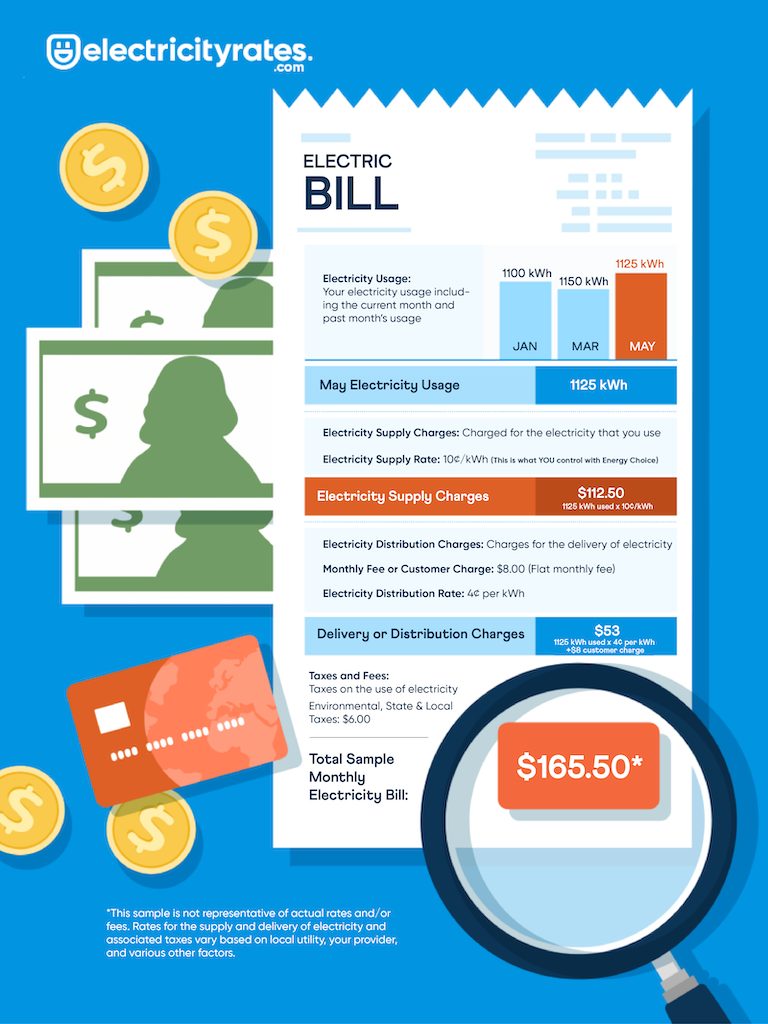
Understanding your Rhode Island electricity bill can feel like deciphering a secret code, especially when rates are among the highest in the country. Here are the three most common charges you will see when reviewing your electricity bill.
Supply Charges
Supply charges are the fees you pay for the electricity you use. By default, these charges are set by your local utility if you do not participate in Energy Choice, and may fluctuate based on wholesale energy market conditions.
Delivery Charges
Delivery charges are the portion of your bill that covers the costs to deliver electricity and natural gas. These are set by your utility and approved by the Rhode Island Public Utilities Commission.
Transmission Fees
The cost of moving high-voltage electricity from power plants over long distances to the local grid.
Utility Assistance Options for Rhode Island Residents
The state offers several financial assistance programs to help residents manage their electricity and heating costs. These programs range from direct cash grants to long-term bill reduction plans.
- LIHEAP (Low Income Home Energy Assistance Program): A federal grant program administered through local Community Action Agencies (CAPs) in Rhode Island that helps income-eligible households pay utility bills directly.
- Rhode Island Energy Discount Rates (A-60 Class): Low-income households enrolled in qualifying state or federal benefit programs (such as SNAP, SSI, or Medicaid) may qualify for discounted electric rates, reducing both delivery and supply portions of the bill.
- Arrearage Management Program (AMP): For customers carrying overdue utility balances, AMP provides payment plans in which a portion of past-due debt is forgiven each month as long as current monthly payments are made on time.
- Good Neighbor Energy Fund: A community-sponsored initiative providing emergency energy assistance to Rhode Island residents who do not qualify for federal aid but face temporary financial hardship.
All Rhode Island Electricity Providers
Arcadia

- Provider Score™ 4.63 / 5
- Energy Options
- Service Areas DC, DE, IL, MA, MD, NJ, NY, RI, VA
Provider Bio
Founded in 2014 with the mission to democratize clean energy, Arcadia grew to become the nation's largest manager of community solar by bridging the gap between consumers and renewable energy developers. The company has expanded their reach of putting clean energy into the grid across numerous states, and preventing billions of pounds of coal from being burned annually. Arcadia's core value proposition lies in making renewable energy universally accessible and affordable; it allows renters and homeowners alike to support local solar farms without upfront costs or rooftop installations, while guaranteeing a 5% to 15% savings on their electricity bills.
Clearview Energy

- Provider Score™ 4.24 / 5
- Energy Options
- Service Areas DC, IL, MD, NJ, NY, OH, PA, RI
Provider Bio
Serving 8 states and the District of Columbia, Clearview Energy offers competitive energy plans and world-class customer service while supporting sustainability efforts, like the Shaw Institute and the Scripps Polar Center. Because we care about our customers - today and for generations to come.
Public Power

- Provider Score™ 4.39 / 5
- Energy Options
- Service Areas CT, DC, IL, MA, MD, NY, OH, PA, RI
Provider Bio
Public Power is a retail energy provider that serves states throughout the Northeast and Midwest. Since 2008, they have served over one million homes and businesses. They pride themselves on offering competitive, and straight-forward energy plans with hassle-free customer service.
SmartEnergy

- Provider Score™ 3.43 / 5
- Energy Options
- Service Areas DC, IL, MA, MD, NH, NJ, OH, PA, RI
Provider Bio
SmartEnergy is proud to offer 100% green energy. It's their mission to prove that helping the environment doesn’t have to come at the expense of your wallet. They promise social responsibility while providing uncompromisable service to their customers.
Think Energy

- Provider Score™ 3.96 / 5
- Energy Options
- Service Areas CT, DC, DE, IL, MA, MD, NH, NJ, NY, OH, PA, RI, TX
Provider Bio
Think Energy is an innovative electricity provider focused on delivering 100% clean energy solutions through transparent, long-term fixed-rate plans. By leveraging a community-driven model, they empower customers to reduce their carbon footprint while providing opportunities to lower energy costs through sustainable referrals.