The browser you are using is not supported. Please consider using a modern browser.


Met-Ed December 1st Rate Increase: What PA Residents Need to Know
Met-Ed rates are rising December 1. See how much your bill could go up, where to find help, and how to lock in a lower rate.

Key Takeaways
- Met-Ed's residential Price to Compare goes from 13.951¢ to 14.42¢ per kWh on December 1, 2026, an increase of about 3.4%. Compared with last winter's rate of 12.965¢, the new rate is about 11% higher.
- A home using 1,000 kWh a month could pay about $4.69 more per month for electricity supply, or about $28 over the six-month rate period.
- Rising wholesale capacity costs in the PJM regional grid, driven largely by data center demand, are a major factor.
- Income-eligible customers can apply for LIHEAP, PCAP and other programs, and any Met-Ed customer can compare supplier rates to see if they can save.
Table of Contents

Starting December 1, 2026, Met-Ed’s Price to Compare rises to 14.42¢ per kWh. If you get your electricity supply from Met-Ed, that means a higher bill just as the winter heating season begins. Here’s how much rates are going up, why, where to find help paying your bill, and how shopping for a supplier could help you lower your rate.
By the Numbers: How Much Met-Ed Rates Are Going Up
Met-Ed’s Price to Compare increases by 0.469¢ per kWh on December 1, 2026, or about 3.4%. The new rate stays in effect through May 31, 2027.
The Price to Compare is what Met-Ed charges for electricity supply if you haven’t chosen a retail supplier. It covers only the supply (generation and transmission) part of your bill. Distribution charges, which pay for poles, wires and service, are set separately by the Pennsylvania Public Utility Commission (PUC) and aren’t part of this change.
| Rate Period | Price to Compare (¢/kWh) |
|---|---|
| Dec 1, 2026 – May 31, 2027 | 14.42¢/kWh |
| June 1, 2026 – Nov 30, 202 | 13.95¢/kWh |
| Dec 1, 2025 – May 31, 2026 | 12.96¢/kWh |
| June 1, 2025 – Nov 30, 202 | 11.91¢/kWh |
This is the latest in a string of Met-Ed increases. Since June 2025, the Price to Compare has climbed about 21%, from 11.905¢ to 14.42¢ per kWh.
How Much Could Your Monthly Bill Rise?
A Met-Ed household using 1,000 kWh per month could pay about $4.69 more per month for electricity supply. Here’s the math:
- Current supply cost: 1,000 kWh × $0.13951 = $139.51
- New supply cost: 1,000 kWh × $0.1442 = $144.20
- Difference: about $4.69 more per month, or about $28 over the six-month rate period
Winter usage often runs higher, especially in homes with electric heat. At 1,500 kWh per month, supply costs rise by about $7.04 a month.
The bigger jump is year over year. Last winter’s Price to Compare was 12.965¢. At 1,000 kWh, this winter’s supply cost is about $14.55 more per month than last winter’s.
Your actual bill will depend on your usage, the weather, and how efficiently your home is heated. According to the PUC, the supply portion typically makes up 40% to 60% of a customer’s total bill.
What is the Current Met-Ed Price to Compare?
The current PPL price to compare is 13.95¢ per kilowatt-hour (kWh) effective June 1st, 2026 through November 30th, 2026.
The “price to compare” (PTC) is a benchmark rate set by your local utility company that allows you to compare their standard electricity rate with offers from other retail suppliers. If a supplier’s rate is lower than the PPL price per kWh and the plan terms make sense for your household, switching may help lower the supply portion of your bill.
| Price to Compare Effective Date Range | Price to Compare (rate per kWh) |
|---|---|
| December 1st, 2026 - May 31st, 2027 | 14.42¢ |
| June 1st, 2026 - November 30th, 2026 | 13.95¢ |
| December 1st, 2025 - May 31st, 2026 | 12.97¢ |
| June 1st, 2025 - November 30th, 2025 | 11.91¢ |
| December 1st, 2024 - May 31st, 2025 | 11.01¢ |
| June 1st, 2024 - November 30th, 2024 | 10.41¢ |
| January 1st, 2024 - May 31st, 2024 | 11.31¢ |
| June 1st, 2023 - December 31st, 2023 | 10.24¢ |
| February 1st, 2023 - May 31st, 2023 | 10.30¢ |
| October 1st, 2022 - January 31st, 2023 | 9.39¢ |
Shop for a Lower Met-Ed Electricity Rate
Factors That Have Influenced the Increase
Met-Ed doesn’t generate electricity. It buys supply for its default service customers through competitive auctions and passes that cost through without markup. When wholesale costs rise, the Price to Compare follows.
- Record capacity prices in the PJM grid. Pennsylvania is part of PJM, the regional grid operator for 13 states and Washington, D.C. Teh company holds auctions to pay power plants to be available when demand peaks. The 2026/2027 auction, which covers June 2026 through May 2027, cleared at the maximum price allowed. Those capacity costs reach customers through default service rates.
- Fast-growing demand from data centers. PJM attributed nearly 5,100 MW of its 5,250 MW increase in forecast peak demand for the 2027/2028 period to data centers.
- Supply that isn’t keeping pace. Only 774 MW of new generation and upgrades cleared in the latest auction. For the first time, PJM fell short of its reliability target across the entire region, by about 6,600 MW.
The PUC doesn’t set electricity supply prices. It reviews how utilities buy power, but the cost itself is driven by the regional wholesale market.
Assistance Programs for Met-Ed Customers
If higher bills are hard to manage, state and utility assistance programs can help. Many are based on household income, so check what you qualify for before you fall behind.
- Low Income Home Energy Assistance Program (LIHEAP): Pennsylvania’s LIHEAP is open for the 2026–27 season through April 23, 2027. Cash grants range from $200 to $1,000, and crisis grants of up to $1,000 are available for emergencies such as a shutoff notice. Households at or below 150% of the federal poverty level qualify, which is $49,500 a year for a family of four. Apply online through COMPASS or call the LIHEAP Helpline at 1-866-857-7095.
- PA Customer Assistance Program (PCAP): FirstEnergy’s program for income-eligible Met-Ed customers offers bill credits, debt forgiveness, and waived late fees and security deposits while you’re enrolled. Household income must be at or below 150% of the federal poverty guidelines. Call Dollar Energy Fund at 888-282-6816.
- Dollar Energy Fund Hardship Grants: Cash assistance to help keep or restore electric service, for households at or below 250% of the federal poverty guidelines, while funds last. Call 888-282-6816.
- WARM Program: Free energy-saving education and home upgrades for households at or below 200% of the federal poverty guidelines that meet minimum usage requirements.
- Budget Billing and Payment Arrangements: Budget billing spreads your costs evenly across the year so winter bills are easier to plan for. Call Met-Ed at 800-545-7741 to ask about budget billing or a payment plan.
- PA 211: Call 211 any time to find local programs that help with utility bills.
If you can’t resolve a billing issue with Met-Ed, you can contact the PUC’s Bureau of Consumer Services at 1-800-692-7380.
Take Control: How to Shop for a Better Rate
Pennsylvania’s Energy Choice program lets you buy electricity supply from a state-licensed supplier instead of Met-Ed. Met-Ed still delivers your power, handles outages, and sends your bill. Only the supply rate changes.
- Find your Price to Compare. It’s on your Met-Ed bill. Starting December 1, it’s 14.42¢ per kWh.
- Enter your ZIP code in our marketplace. See plans available at your address from trusted providers, side by side.
- Compare fixed-rate plans below 14.42¢. A fixed rate locks in your price for the full contract term, so future Price to Compare changes won’t affect your supply rate.
- Read the terms before you choose. Check the contract length, any early termination fee, monthly fees, and what your rate becomes when the contract ends. Variable rates can change month to month.
- Enroll online in minutes. Have your Met-Ed account number handy. Your new supplier handles the switch, and there’s no interruption in service.
Want a greener option? Many suppliers offer renewable plans backed by renewable energy certificates (RECs), which match your usage with clean energy generated on the grid. If you aren’t familiar with the names of reputable electricity suppliers, you can read up on who we rank highly in our Best Pennsylvania Electricity Suppliers article.
Compare Met-Ed electricity rates today and see if you can lock in a rate below the new Price to Compare.
FAQs About the Met-Ed Rate Increase
-
On December 1, 2026, Met-Ed’s Price to Compare rises from 13.951¢ to 14.42¢ per kWh. That increase mainly reflects higher wholesale capacity costs in the PJM grid, where demand from data centers is growing faster than new power supply. Met-Ed passes those supply costs to customers without markup.
-
It’s the rate Met-Ed charges for electricity supply if you haven’t chosen a retail supplier. From December 1, 2026, through May 31, 2027, it’s 14.42¢ per kWh. You’ll find it on your Met-Ed bill. Use it as a benchmark when you compare supplier offers.
-
A household using 1,000 kWh a month could pay about $4.69 more per month for supply. At 1,500 kWh, which is common in winter for homes with electric heat, that’s about $7.04 more. Your actual change depends on your usage and the weather.
-
Yes. Under Pennsylvania’s Energy Choice program, you can buy supply from a state-licensed supplier. Met-Ed still delivers your power and handles outages. Compare plans by ZIP code, look for fixed rates below 14.42¢, and check contract terms and fees before you enroll.

Articles Related to Pennsylvania Electricity
-
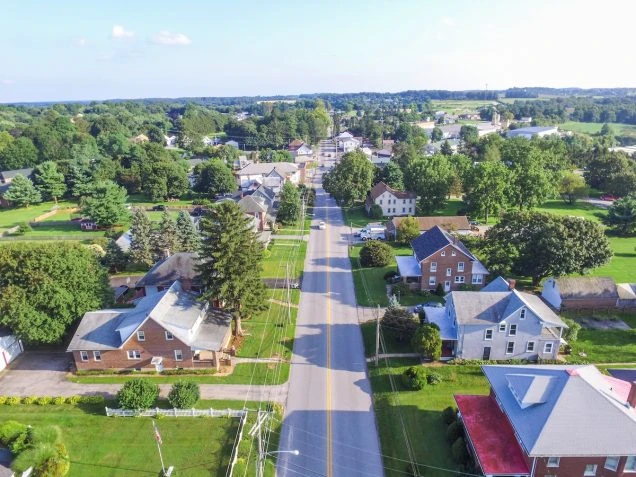
Met-Ed Rate Increase December 2026
Met-Ed rates are rising December 1 by 3.4%. See how much your electricity bill could increase, where to find help if you are struggling to pay your bill, and how to lock in a lower rate.
More -

PPL Rate Increase December 2026
PPL proposes raising its Price to Compare 10.3% to 14.428¢/kWh on December 1 pending PUC approval. See what it means for your bill and how to compare fixed rates before winter.
More -

PECO Electricity Rate Increase Dec 2026
PECO has proposed raising its Price to Compare about 11% on December 1, 2026, pending PUC approval. See the bill impact, assistance programs, and how to compare rates.
More